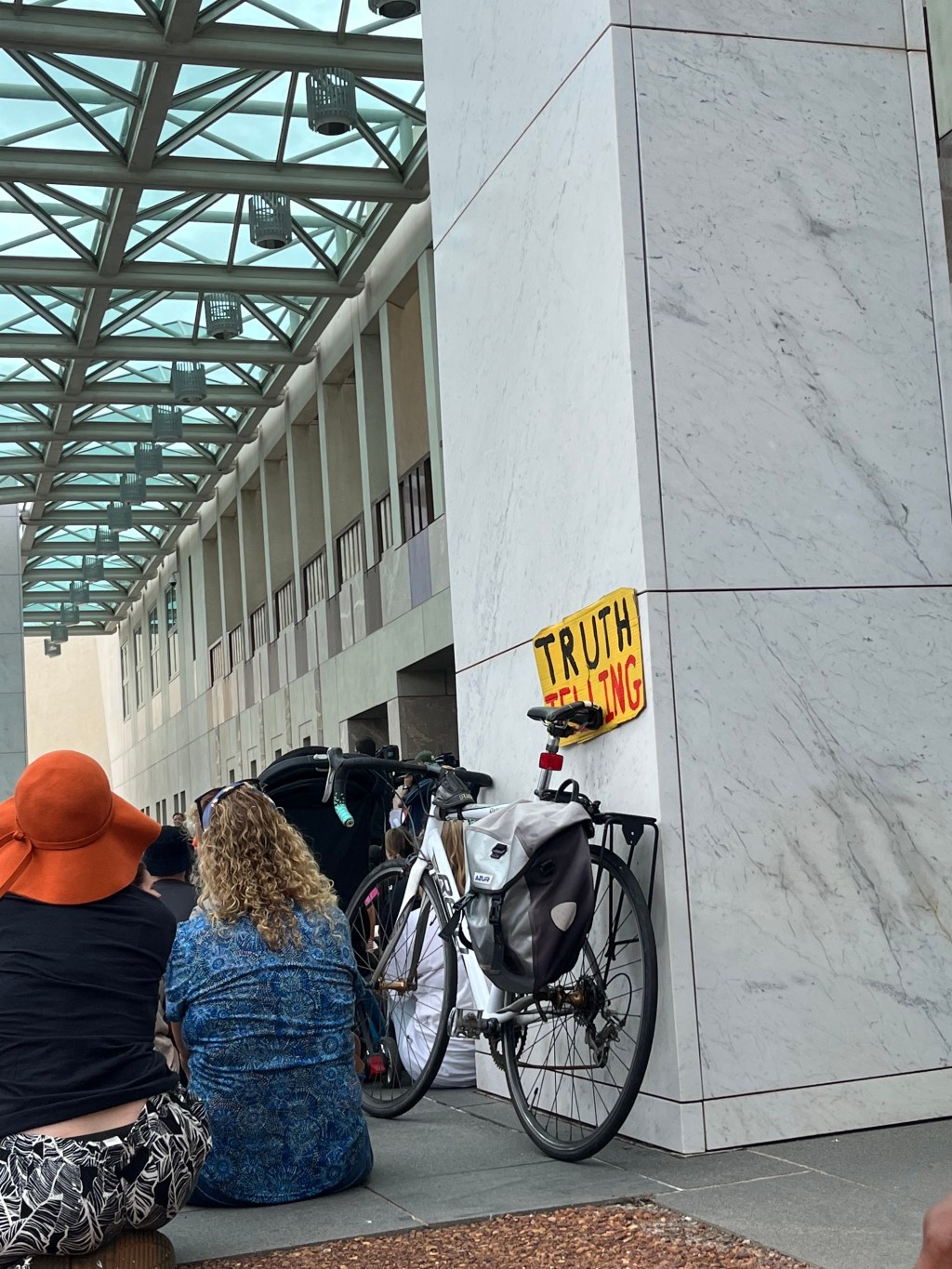
The truth about First Nations children and schooling has been told, retold and ignored
Content warning
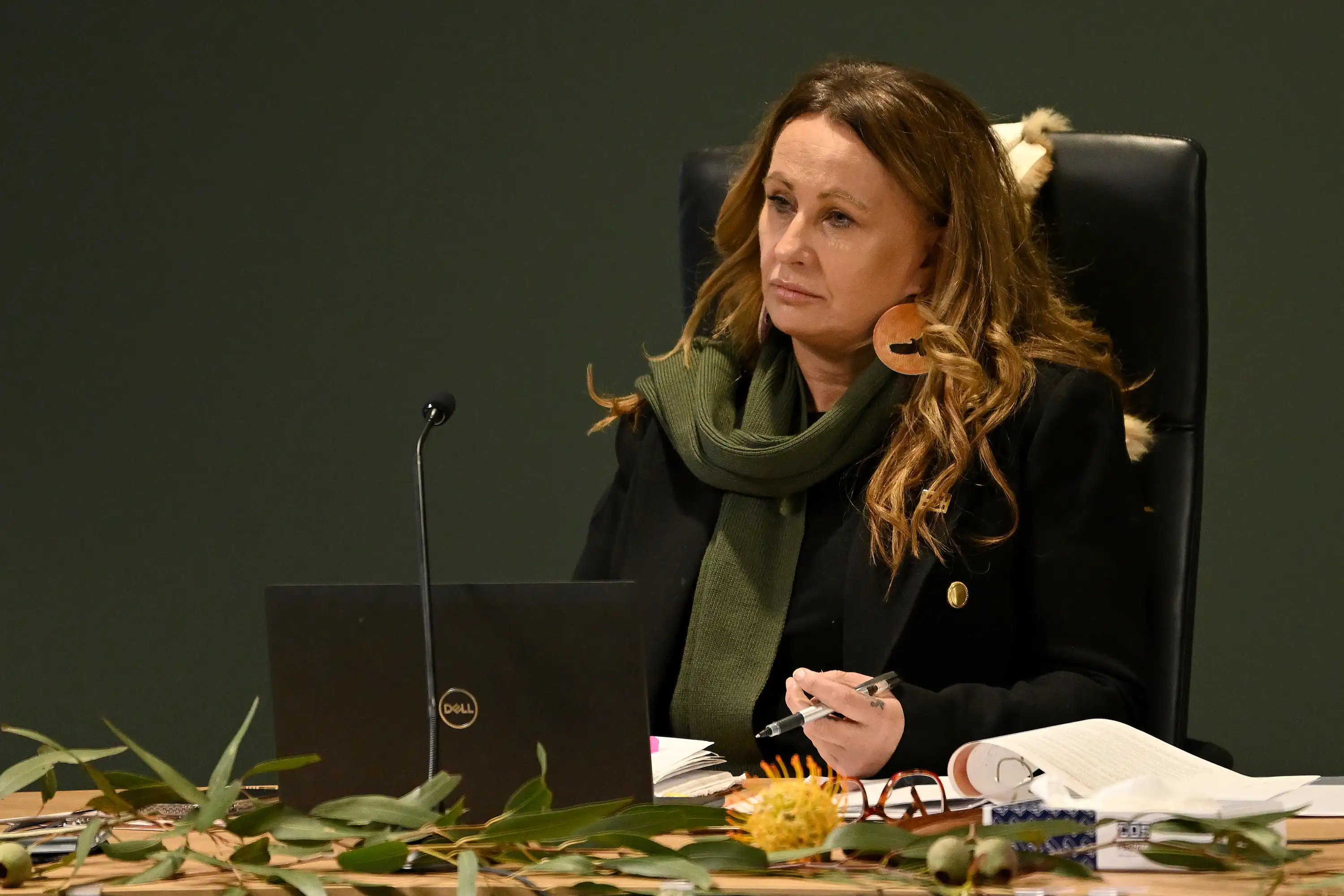
Sue-Anne Hunter, one of the authors of this article, served as a Commissioner on the Yoorrook Justice Commission, Australia’s first formal truth-telling body and led its work on child protection, criminal justice and health.
In July last year, Yoorrook handed down its final report on education. What struck her about the findings was how familiar they were.
Yoorrook’s conclusions about education are consistent with the two other landmark truth-telling commissions of the past 35 years: the Royal Commission into Aboriginal Deaths in Custody (1991) and the Bringing Them Home inquiry (1997).
These reports reveal a troubling paradox.
First Nations children were not just forcibly removed from schools – they were forcibly removed to schools. They were segregated from mainstream schools due to racism and subjected to racism and assimilation when they were included.
They were denied access to ‘academic’ education and also denied the cultural and language education of their own communities.
Together, the reports show how education has functioned as a key way in which the conditions of First Nations’ lives have been controlled and structured.
So why has so little changed in over three decades?
Three inquiries, same findings
Our recent research documents what these three major commissions collectively established about school education in Australia.
The three commissions were all different in scope and mandate.
The first investigated the deaths of 44 Indigenous people in custody, along with the contributing social and economic conditions.
The second gathered the testimonies of Stolen Generations survivors across Australia. And the third examined historical and ongoing injustices experienced by First Peoples in Victoria since colonisation.
The Yoorrook inquiry was the only one to have an explicit focus on education. In the previous two, the focus on education emerged from the evidence itself, which we believe makes the consistency of findings all the more significant.
Read together, the three reports establish four interlocking truths about Australian schooling.
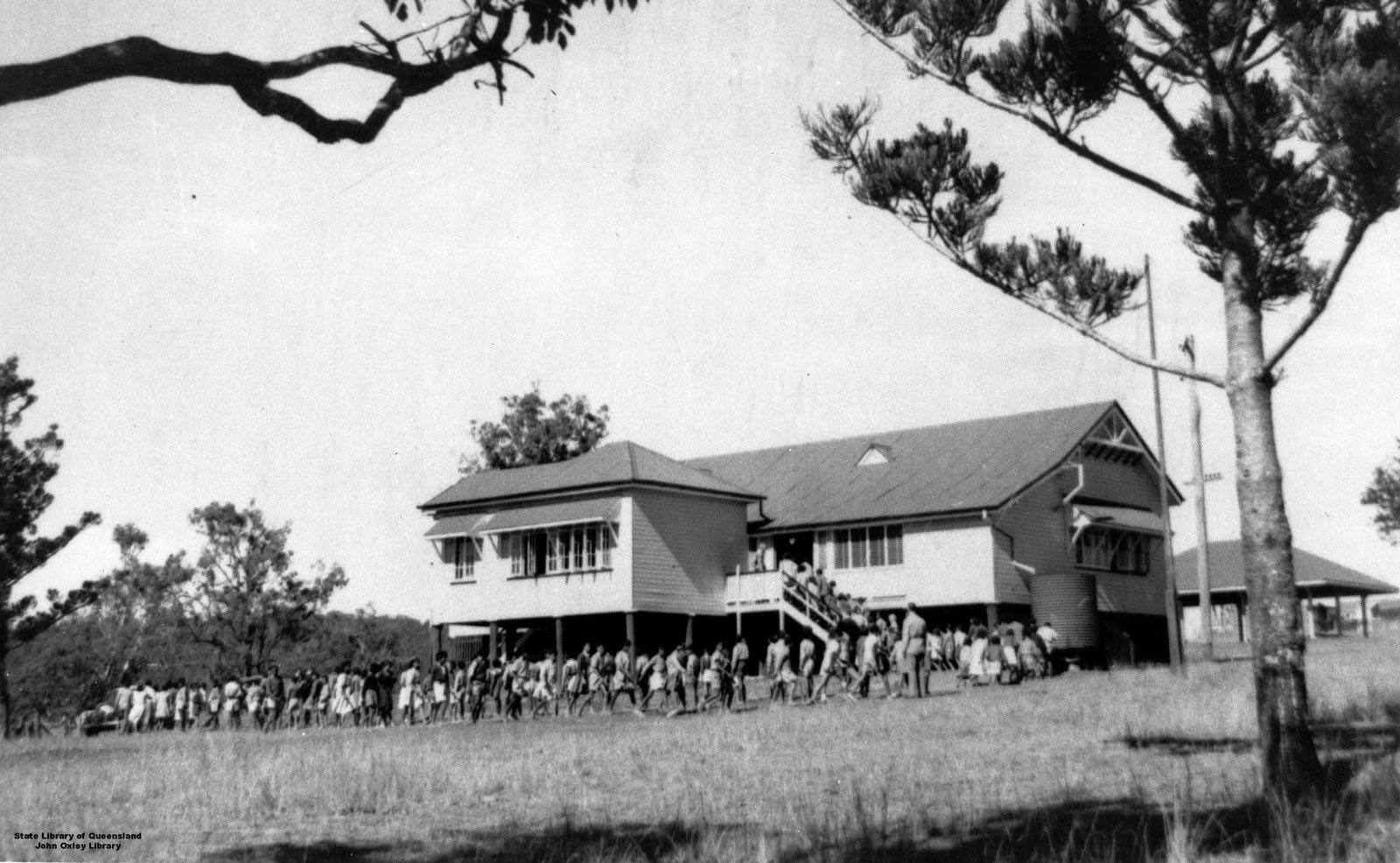
Schools excluded and segregated
First Nations children were legally and informally barred from attending local schools, forced to travel long distances or attended underfunded schools focused on manual labour.
Gunditjmara Elder, Uncle Jim Berg, recalled that children near the Framlingham Reserve in western Victoria had to walk, bike or ride a horse to a separate “Black’s School” rather than attend the closer schools available to white children.
Schools were instruments of assimilation
The school curriculum erased Indigenous history, culture and language.
Children were punished for speaking their own languages. History was taught as beginning with “white discovery”.
Keerray Woorroong Gunditjmara woman, Aunty Vicki Couzens, described the suppression of Aboriginal languages through schooling as ongoing “linguicide”.
Schools facilitated child removal
School records and teacher observations were used as surveillance mechanisms by welfare authorities. Some families avoided schools altogether out of fear.
Rose* described her parents pulling her out of school “because the Welfare was taking the Koori kids from school, never to be seen again”.
Other children were removed to schools under the guise of “educational opportunity”.
Schools denied First Nations identity and achievement
Across all three inquiries, First Nations peoples described being steered away from academic subjects, being advised to leave school early for domestic or manual work, and being subjected to consistently low expectations from teachers and authorities.
In his testimony to Yoorrook, Uncle Jack Charles explained: “Despite being a willing learner, I was often overlooked for educational opportunities. Other kids would be taught things like geography, or arithmetic… while I was sent off to clean the quadrangle.”
Reading these truths on the page is one thing; hearing them, day after day, from people who carried that experience in their bodies is another.
Witness after witness described schooling in terms that should have ended the argument about what kind of institution this has been for First Nations children.
Children who were locked out. Children who were locked in. Children who were told they were not clever enough for arithmetic. Children whose languages were beaten out of them.
The repetition was the evidence.
A deliberate paradox
One of the most striking observations of the cumulative reports is that the harm was multidirectional and that this was by design.
The 1991 Royal Commission into Aboriginal Deaths in Custody noted that school non-attendance could be read as “a legitimate response to racism” – a deliberate assertion of First Nations identity in the face of institutions that denied it.
But it also noted that non-attendance could become a pathway into the juvenile justice system. Neither option was entirely safe.
These contradictions are not failures of design. They are features of it.
The question that truth-telling can’t answer
If these truths have been documented so thoroughly and so repeatedly, why haven’t they produced structural change?
The first explanation is the enduring appeal of schooling as a universal public good – ‘free, compulsory and secular’ in the language of Australia’s nineteenth century Education Acts.
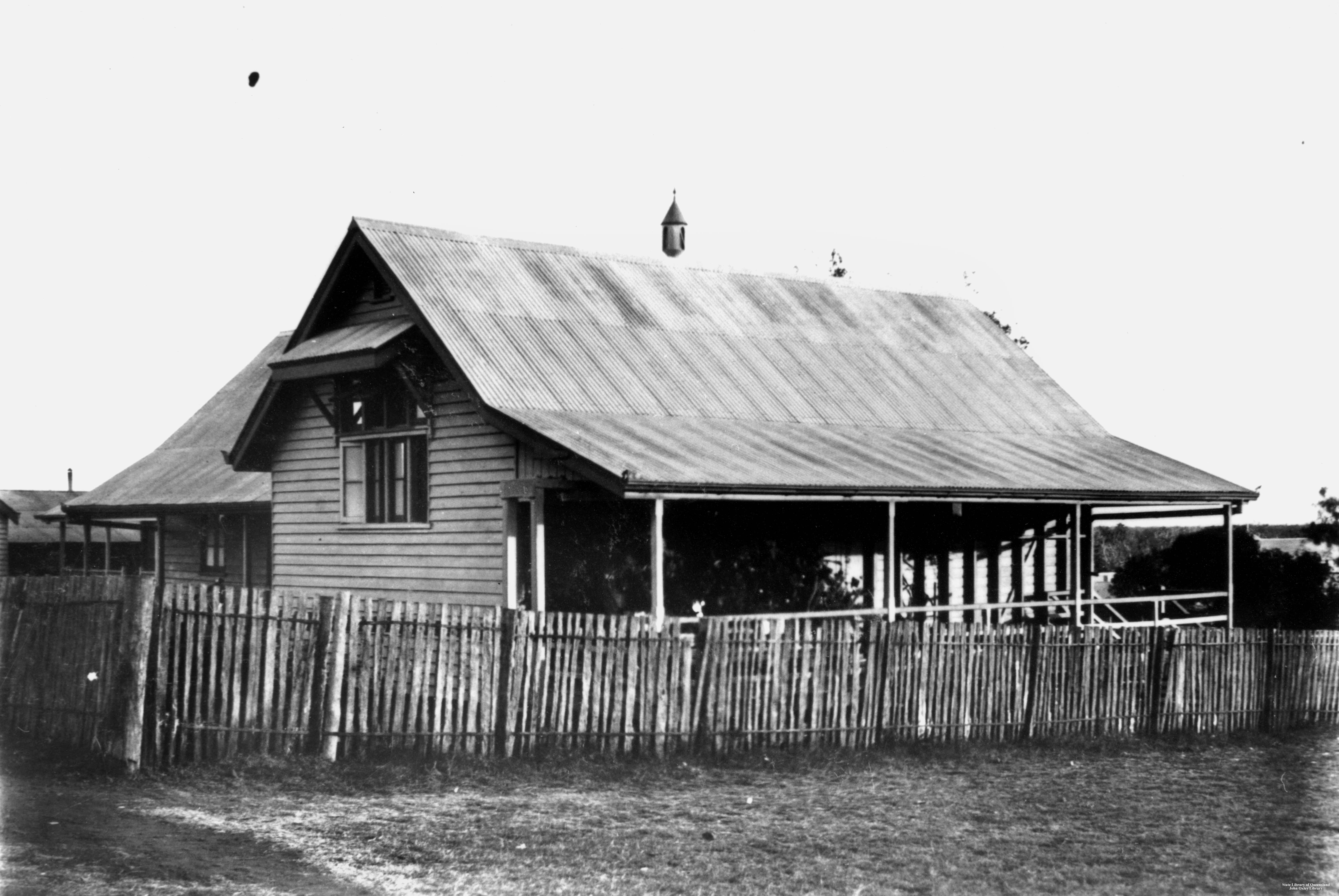
This story is so deeply embedded in settler society that harm is continually recast as incidental, historical or addressable through modest reforms targeted solely at First Nations communities, rather than at the system itself.
The Victorian government’s 150th anniversary of public education, which ran concurrently with the Yoorrook Commission, is a telling example.
The campaign celebrated the founding of state schooling as “one of Victoria’s greatest achievements”, while making only passing reference to the exclusion of First Nations children, cultures and histories from those same schools.
In 2024, the then Deputy Premier and Education Minister, Ben Carroll, formally apologised for “the historical failings of the state’s education system”, acknowledging that schools had been “used as tools of segregation, exclusion and oppression of First Peoples”.
None of that sentiment made it onto the 150th anniversary website.
The second explanation is structural.
Schools don’t merely reflect colonial power relations, they actively reproduce them. Curriculum frameworks, assessment regimes, teacher training and governance structures: all of these continue to privilege settler knowledge systems while positioning First Nations knowledge as supplementary or historical.
Reform efforts that focus on recognition, inclusion or historical acknowledgment alone are insufficient.
When the structural conditions that sustain unequal authority and material control over schooling remain intact, reform risks becoming a mechanism through which injustice is merely acknowledged, rather than transformed.
The third issue is resources and land.
State education departments still control the land on which government schools stand, much of it acquired through the same processes of dispossession that underpinned colonisation.
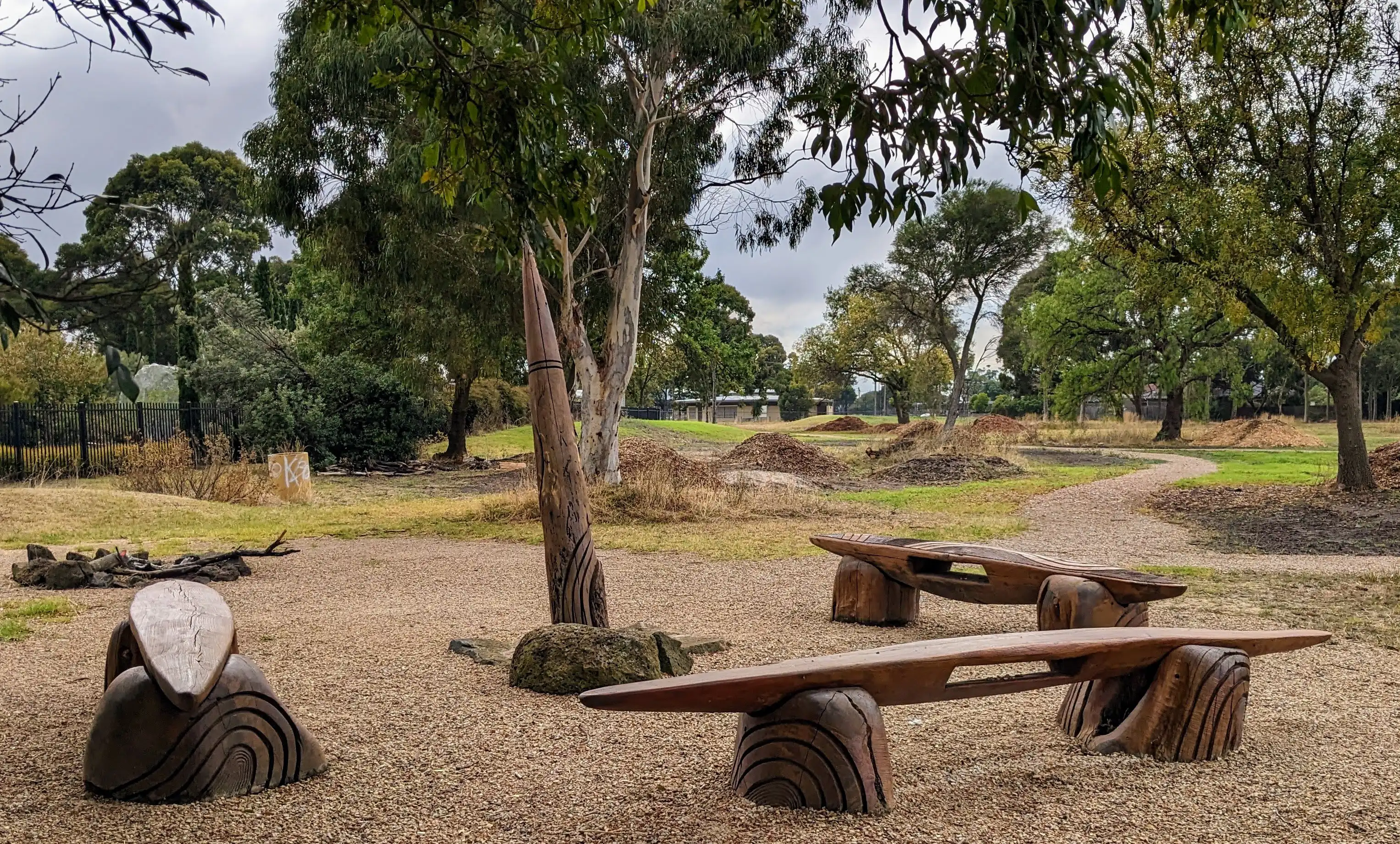
First Nations communities that have established their own schools have faced defamation, media attacks and closure.
When community leader and land rights campaigner Eddie Mabo set up the independent Black Community School in Townsville in 1973, the school came under sustained attack from the local press, the education department and the local community.
In 1996, students and parents at the Northland Secondary College in Victoria successfully took on the state government after it closed the school in 1993 – despite having the highest Indigenous student population in Victoria.
Ballerrt Mooroop College in Victoria, which sits on a site of significant cultural importance, was closed in 2012. Just recently, the site was returned to Wurundjeri ownership.
It will be re-established as a First Nations education centre – a powerful example of redistribution of school infrastructure.
What the truth demands
Documentation matters, as First Nations scholars have explained, but documentation alone is not transformation.
Truth-telling has clarified the stakes. The task now is not further revelation, but action on what has already been said.
That action cannot mean more policy reforms or curriculum revisions within existing structures. It requires a genuine redistribution of power: First Nations jurisdiction over curriculum, teaching and learning, knowledge systems and the purposes of schooling itself.
Three inquiries. Thirty-five years. The truth, it turns out, has already been told.
The truth about education: from the Royal Commission into Aboriginal Deaths in Custody to the Yoorrook Justice Commission is available via open access. The Yoorrook For Transformation Third Interim Report is available online.
*Not her real name. Part of a confidential submission. These events occurred in 1958.


Leave a Reply